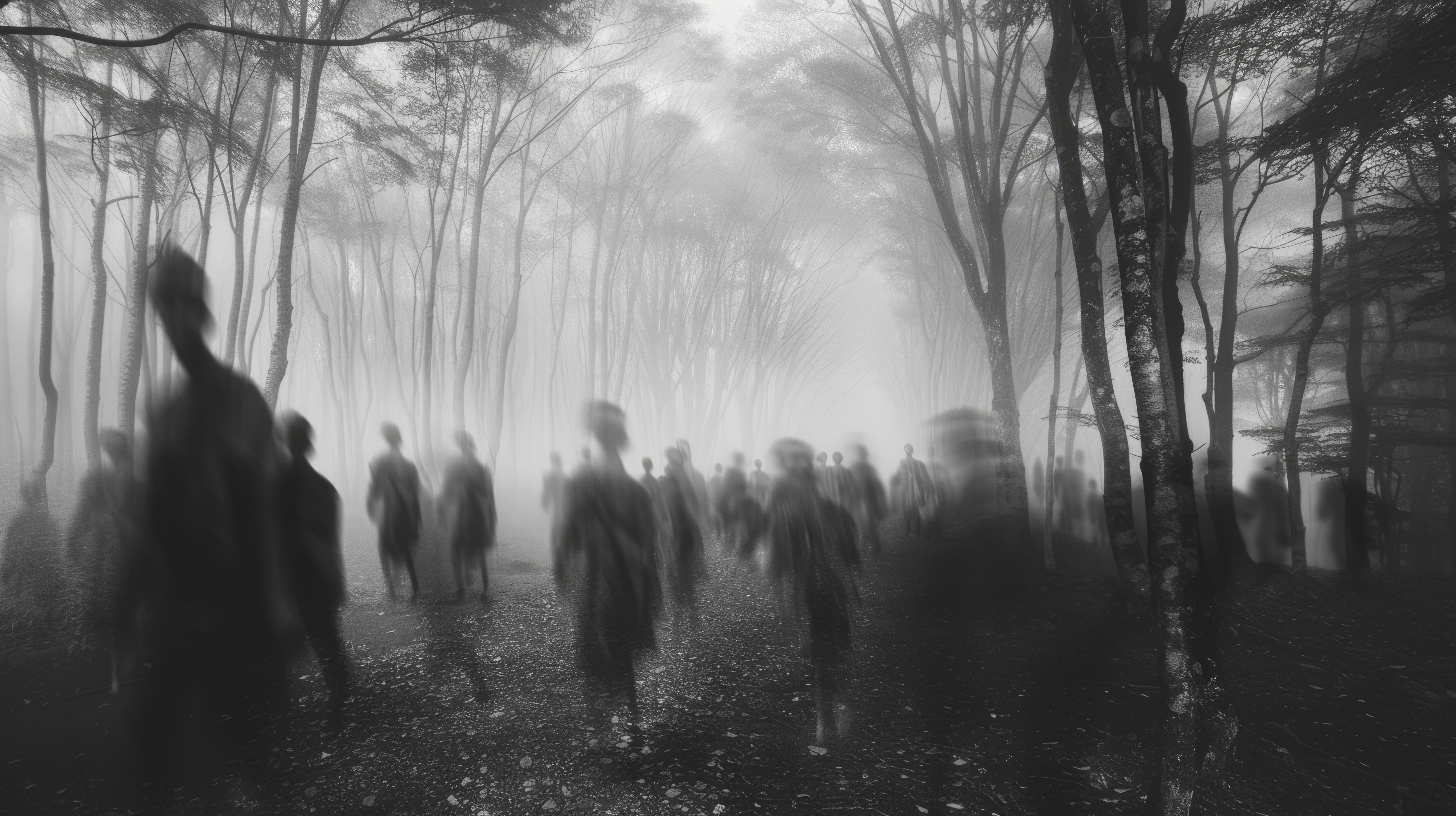
Horresco Referens
All things were full of horror and affright,
And dreadful even the silence of the night.
– Virgil, Aeneid Book II (trans. Dryden)
All things were full of horror and affright,
And dreadful even the silence of the night.
– Virgil, Aeneid Book II (trans. Dryden)
Let’s talk about fear. We won’t raise our voices and we won’t scream; we’ll talk rationally, you and I. We’ll talk about the way the good fabric of things sometimes has a way of unraveling with shocking suddenness.
– Stephen King, Introduction to Night Shift
Out of all the genres of popular fiction, horror literature is probably the only one that captures the nuances of physical reactions to the scene being described along with the affective experiences. It binds the characters and the readers through a shared corporeal reaction of revulsion, dread, and disgust and the emotional feeling of vulnerability, isolation, and endangerment. At the same time, horror fiction also captures the absence of a reaction, the stiffness in the legs when the victim is running away from the monster, the forced holding of breath when the killer is nearby, and the moment of silence when the scene of horror is too intense to describe.
This blog deals with all such moments, all such pauses and silences, and all such scenes of horror which are a ‘sight to dream, of not to tell.’ It will focus on the link between the affective experience of fear and the physical response elicited by it. The name of the blog, ‘Horresco Referens,’ is borrowed from the scene of Virgil’s Aeneid Book II where Aeneas recalls the story of two giant sea serpents devouring the Trojan priest Laocoön and his two sons for jabbing a spear into the horse as a punishment from Goddess Minerva. While telling this story, Aeneas interjects his tale with the phrase ‘horresco referens’ translating to ‘I shudder to tell.’ This interjection perfectly combines the aspect of relating a story of a horrific nature with the physical effect it produces on the storyteller.
Popular horror fiction too, frequently captures this moment where the textual narration of horror becomes fused with the corporeal reaction of shuddering and physical disgust. This blog will feature short pieces on how such moments of horror, which become too intense to recount, are narrated, filmed, or marketed.